
Stories
Insights & Ideas
Stories from reDirect collaborators about applying SEE in their own lives
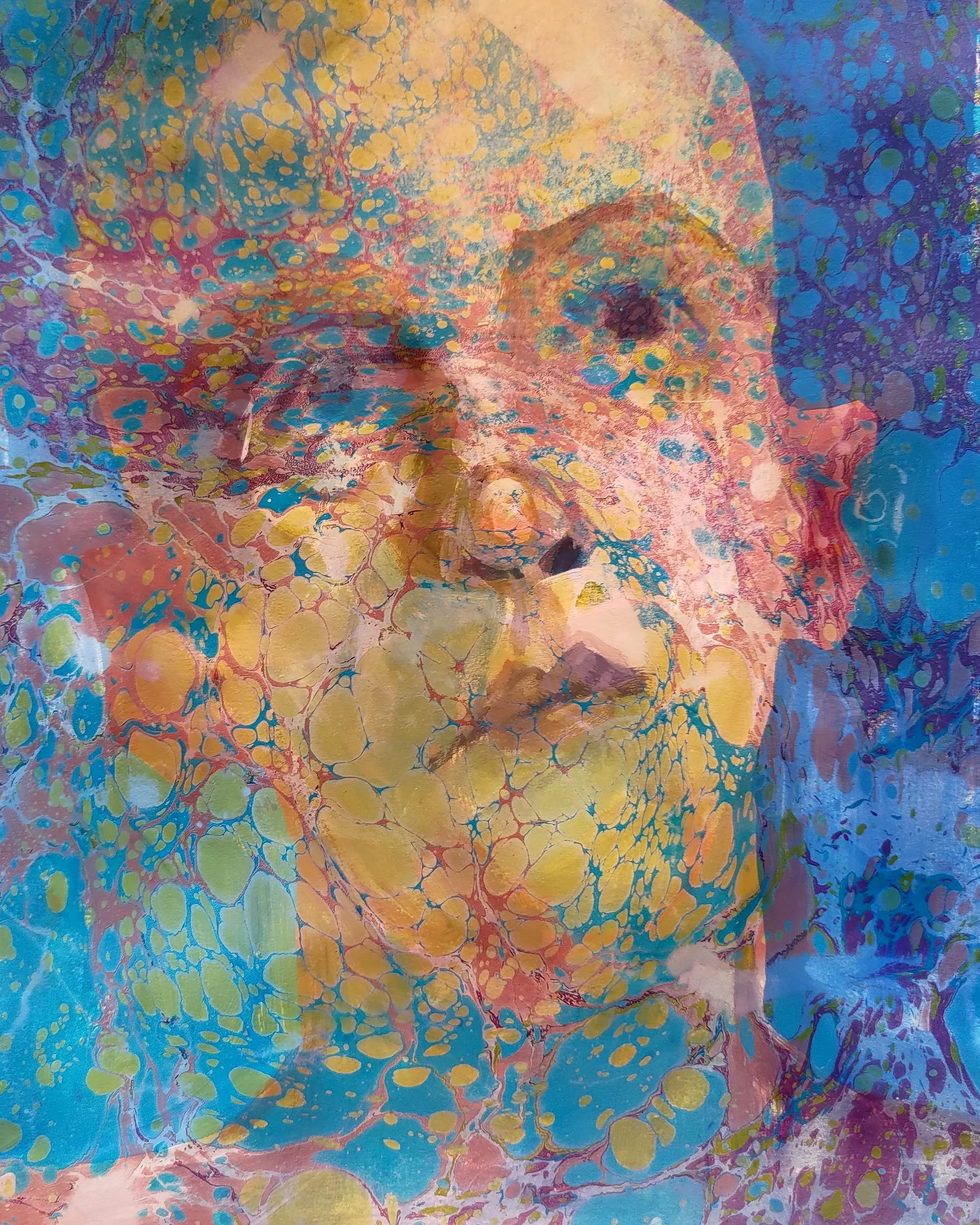
The Magic of Being On The Edge
The pleasurable state of mind between the known and the unknown, between familiarity and exploration, is where creativity flourishes and discoveries are made. How can you cultivate this state of mind and what can it do for you?

What’s Fun Got To Do With It?
I create art because I love exploring materials, techniques, and ideas. I create to help make sense of my thoughts and emotions. I create as a way to communicate ideas. These drives are not unique to me. In fact, they reflect fundamental human needs. Being sensitive to these needs can have a profound effect on well-being – whether in our organizations or ourselves.

Jello, Cement, and Mindsets
Like Jello and cement, once our minds are set they are hard to change. This has certainly been true of my “paint scarcity” mindset in the studio. One alternative to trying to think ourselves into a new mindset is to look to the environment for help. This is just what I did when I set out to shift my paint scarcity mindset by creating a micro-environment of abundance.

It’s Not Me, It’s Barcelona
Environment matters. It’s easier to get daily exercise in a city that is designed for walking than one that is designed for driving. It’s easier to eat a healthy diet if that is what’s on the menu. And it’s easier to learn a language in a city that immerses you. Unfortunately, that is not Barcelona. In my ongoing effort to tip to Spanish fluency, I find myself wondering if I can tweak my environment in order to offload some of the learning burden from my own waning willpower.

Digesting Art and Other Information
Artists communicate not just through art but also about art. We talk about our work. We teach. We care about helping people understand. And yet in our excitement to share everything we know, it is all too easy to share too much. To think about content but not form. And so, like so many well-intentioned communicators, we end up overwhelming or boring our audience. We can do better.

Retrospecting My Future
When it comes to planning, why do we tend to overestimate our abilities and underestimate time and costs? This year, I’m coupling my annual art practice planning with a “premortem” technique. Read on to learn more about cognitive biases, premortems, and my own Christmas Carol inspired process.

Relying on Technology Alone to Sharpen Your Focus? You Might Be in For a Wait.
If we pause and look at the people around us in almost any public space, we’re likely to find someone with a wearable device. "Wearables" have become widespread consumer products that also provide us with more information about ourselves than we ever thought possible. But are wearables worth our attention and the other resources we spend on them?

Crafting a Visual Environment for Sharing Information
In the modern era of technology, humans are constantly inundated with visual information. When visual information is so pervasive, how can we share our knowledge in a way that increases clarity and understanding instead of adding to the deluge?

Reflections on the Environment as “The Third Teacher”
Discover how Verdi EcoSchool, a reDirect grantee and urban farm school in Melbourne, Fl., harnesses the potential of “The Third Teacher" in education. Delve into their reflections on how intentionally crafted environments can shape behavior, ignite curiosity, and foster a strong sense of community. Learn from Verdi EcoSchool’s insights into the power of conscious design, feedback, and the profound impact of the environment as a vital classroom.

From Planning Routes to Planning Cities: SEE Can Help
“There is an innovative dialogue between urban planning and the SEE framework, prompted by their orbit around a common inquisitive core: How can we leverage our environmental surroundings to bring about the best version of our society, our communities, and ourselves?”
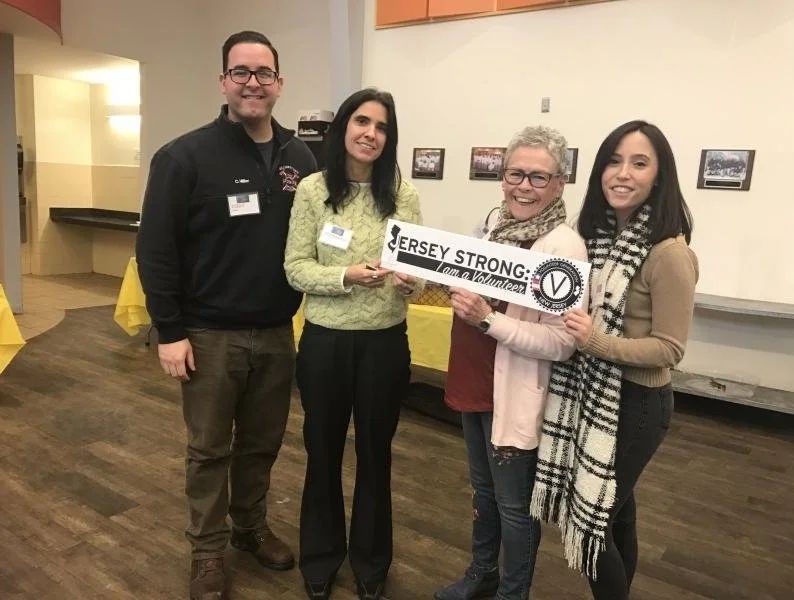
Communicating to Achieve the Shared Mission
“Over the past 12 months, I have been part of an amazing group, a first time cohort of Points of Light affiliates who are conducting volunteer engagement and Service Enterprise training across the country, while introducing a new framework called Supportive Environments for Effectiveness, or SEE…”

The Big Idea of Small Experiments
Small experiments – whether in the design of spaces, programs, or just our own lives – can have big impacts. They can also keep us from making big mistakes. Although the quick, flexible, and impermanent nature of small experiments can make them feel haphazard, they are anything but.