

Stories
Insights & Ideas
Stories from reDirect collaborators about applying SEE in their own lives

Micro-Breaks for the Busiest of Times
What is a "micro-break"? While the best way to restore your attention is to spend time in nature (and avoid looking at screens), we know that isn’t always possible. This post offers some simple micro-break ideas that may give your mind some relief throughout the day.

Supporting Mental Bandwidth: Break Culture in Workplaces
We all start the day with limited resources. When it comes to work, those resources include our time, our energy, and our attention. And, despite what “hustle culture” tells us, there’s a limit to how much we can accomplish each day.
This post explores what it means to “take a break,” and how we can foster work environments that support them.

Breaking Barriers: How to Structure Environments to Support Accessibility Needs
This July, as we mark the 33rd anniversary of the Americans with Disabilities Act (ADA) and Disability Pride Month, we delve into the transformative power of embracing workplace accessibility through a SEE lens. Click the link below to learn more and read this guest blog from Rachel Fink, a 2023 reDirect Fellow.

Reflections on the Environment as “The Third Teacher”
Discover how Verdi EcoSchool, a reDirect grantee and urban farm school in Melbourne, Fl., harnesses the potential of “The Third Teacher" in education. Delve into their reflections on how intentionally crafted environments can shape behavior, ignite curiosity, and foster a strong sense of community. Learn from Verdi EcoSchool’s insights into the power of conscious design, feedback, and the profound impact of the environment as a vital classroom.

From Planning Routes to Planning Cities: SEE Can Help
“There is an innovative dialogue between urban planning and the SEE framework, prompted by their orbit around a common inquisitive core: How can we leverage our environmental surroundings to bring about the best version of our society, our communities, and ourselves?”

SEEing our Way to Solar: Using Supportive Environments for Effectiveness (SEE) in Program Analysis
“Incorporating Supportive Environments for Effectiveness (SEE) in program analysis is a great way to understand a program’s success, as well as potential areas for improvement. This past summer, I had the privilege of working with Julie Roth from the City of Ann Arbor to take a closer look at what is making the Solarize program so successful in the Ann Arbor area…”
Communicating to Achieve the Shared Mission
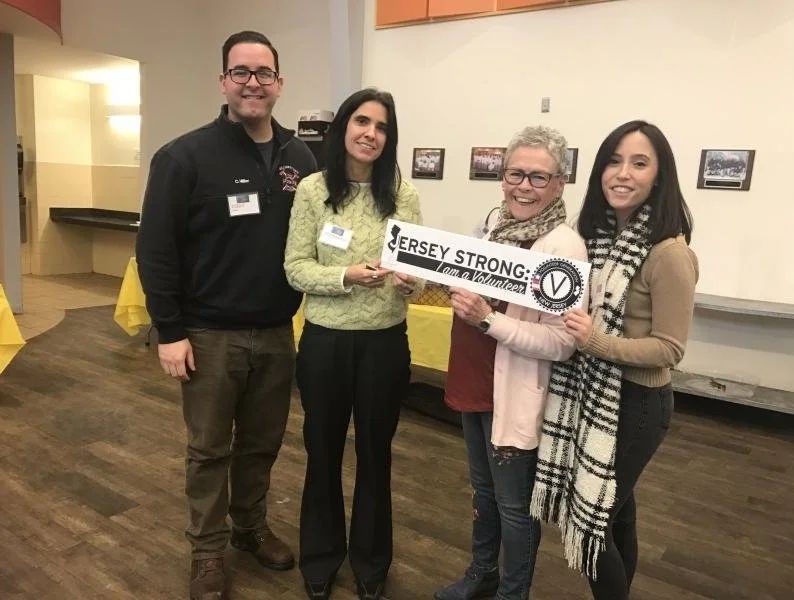
“Over the past 12 months, I have been part of an amazing group, a first time cohort of Points of Light affiliates who are conducting volunteer engagement and Service Enterprise training across the country, while introducing a new framework called Supportive Environments for Effectiveness, or SEE…”

The Big Idea of Small Experiments
Small experiments – whether in the design of spaces, programs, or just our own lives – can have big impacts. They can also keep us from making big mistakes. Although the quick, flexible, and impermanent nature of small experiments can make them feel haphazard, they are anything but.

Why Don’t People See the Obvious?
It can be extraordinarily frustrating when people fail to see the obvious. Why can’t they perceive what’s right in front of them? Why can’t they see what’s real and true?

Using SEE as a Building Block for a Culture of Belonging
"Creating an environment for effectiveness means creating a place where everyone can be their best selves, and bring their full, lived experience to their work." In the words of Amy Lytle of HandsOn NWNC, "the core SEE tenets seemed to flow directly toward the idea of 'belonging.'" This is their journey of leaning into the SEE framework to build a sense of belonging for their organization, as a member of our Points of Light Affiliate grantee cohort.

Helping Yourself
“As managers of humans, I hope that taking care of ourself is seen as an expectation, not a suggestion. The belief of always needing to do everything and be ‘on’ all the time slowly wears on us and can deplete our drive to achieve goals that we’re passionate about.” Kayla Paulson of UWECI describes the transformation that learning SEE helped her make as she approached her work as a Points of Light Affiliate grantee.

If You Don’t Feed the Horses They Die
People thrive on opportunities to do things that matter. Having a sense of purpose makes people more motivated and increases their overall physical and mental health. How could you help meet someone else’s need to make a difference? How might this improve their world and yours?