

Our Partners
Small Steps to a Shorter Work Week
Optimizing the Meeting Culture at EarthDance
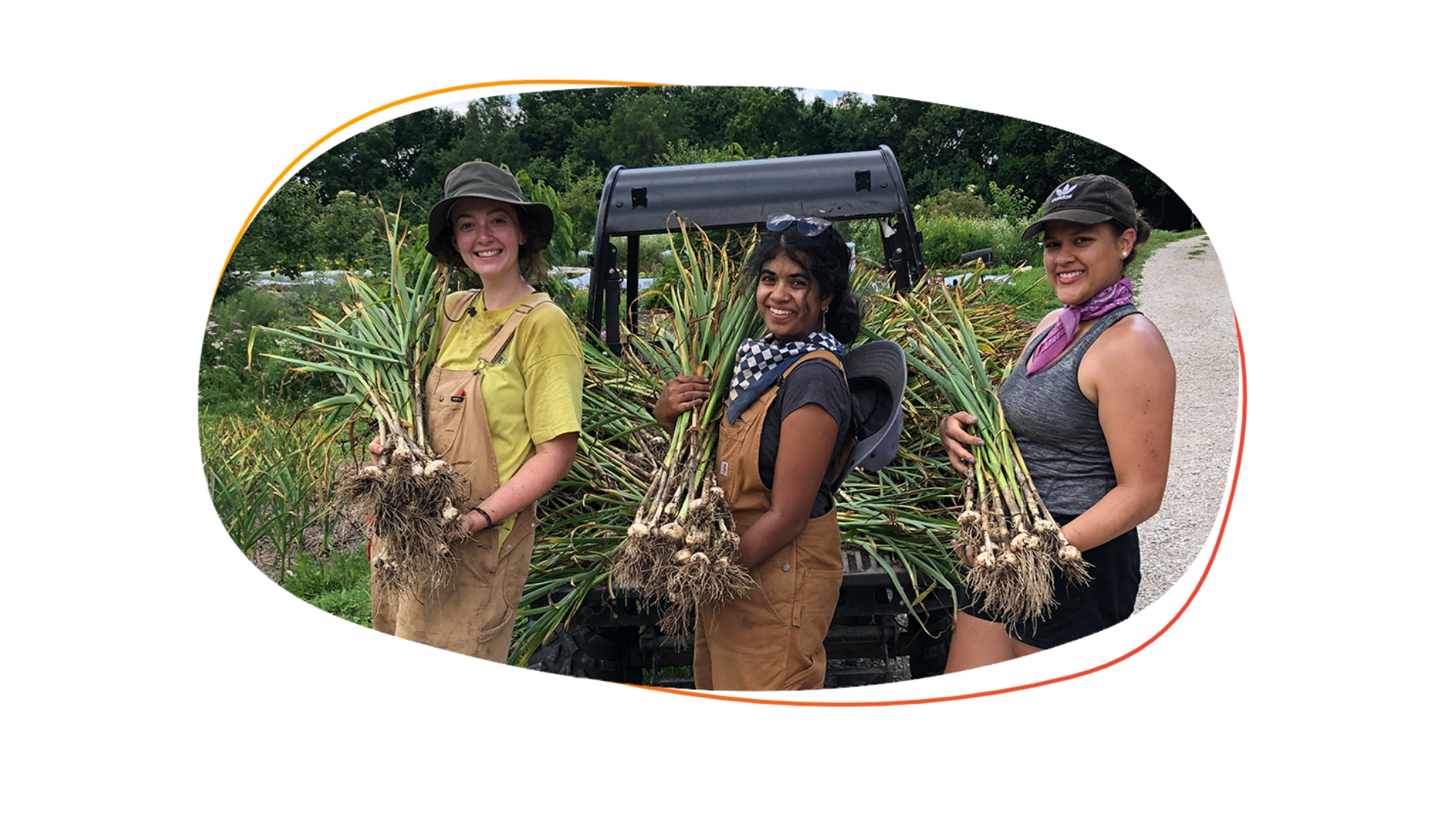
EarthDance is an organic teaching farm in Ferguson, Missouri whose mission is to share the “craft and science of organic farming with people from all walks of life.” They provide hands-on gardening opportunities for youth, lead a paid organic farming apprenticeship program, and run a pay-what-you-can farm stand. The following partner story was written by a team of staff and board members who joined our 2026 St. Louis SEE learning cohort.
Our team joined a SEE cohort intending to work toward moving to a 32-hour/4-day work week as our experiment. Though we were initially excited to dive in, we quickly realized that we were starting too big and needed to scale our experiment down. After brainstorming as a team, we decided to focus on optimizing our meeting culture, anticipating this would help us get to a 32-hour work week.
Evaluating the Meeting Culture
Before entering the cohort, meetings at EarthDance had what could be described as a laid-back culture. They often started late, went over the scheduled time, and, in some cases, did not have a pre-planned agenda (other than an overall topic). Oftentimes meeting attendees would have their laptops or phones out making them more likely to become distracted or do unrelated work. This led us to a few questions:
1. What is the purpose and desired outcome of meetings?
2. Can we gain time back and/or improve bandwidth to move forward with our larger experiment of a 32-hour work week by changing the meeting culture?
3. Are all of our regularly-scheduled recurring meetings beneficial enough to keep?
4. What small experiments can we try to get more out of our meetings using less time?
Looking at the Environmental Factors
Our SEE team consisted of four staff members and one board member, and we identified four main environments that needed evaluation: social & cultural, policy, process, and temporal.
Social & Cultural: EarthDance is a very holistic place to work. We move with a level of ease, trying to break away from societal demands that the workforce often demands of us. The flip side to our work culture is that meetings often start late and friendly conversations can derail our concentration.
Policy: As an organization we don’t have a structured meeting policy which leads to a lack of understanding and differing expectations.
Process: Meetings did have some level of process but there was often no set agenda. Announcements were shared “popcorn-style” often leading to long drawn out pauses which took time away from discussing our topics.
Temporal: Tardiness often delayed meetings. Meetings were scheduled based on availability versus prioritizing what time of day staff have the highest mental bandwidth and capacity for meaningful engagement.
Setting Expectations for All-Staff Meetings
We decided to start with making changes to our all-staff meetings first since everyone is involved in them, and they take up a significant amount of staff time. We made the following rules using the SEE framework:
1. No Stand-Up Meetings.
(A weekly workflow check-in meeting that most office staff would attend). We implemented this rule because attendees were frequently unprepared, and it became clear that these meetings were unnecessarily taking people’s time.
2. Meeting announcements round-robin.
With the previous “popcorn style” method, we were spending a lot of time waiting for people to be ready with announcements, so this change has helped us become more organized. Now with the round-robin style, we pass around a little tortoise “talking stick” in a circle so everyone knows whose turn to speak is next.
3. Fidget toys made available.
This small change helped protect staff bandwidth for those who find fidget toys helpful for processing.
4. No devices during the all-staff meeting topic.
This change helps keep staff present and allows for meetings to be more constructive for everyone.
5. Meetings start on time.
…Regardless of whether everyone is present. This change helps us respect everyone’s time.
We implemented these changes with the understanding that they could be changed if need be, and we have continuously collected feedback from the team, starting on day one and following up later with a survey.
All in all, the changes were well received, so we have extended these rules to all EarthDance meetings.
One Future Small Experiment
One change we would like to experiment with at some point in the future is an organization-wide “focus time”— a chunk of time when no meetings would be scheduled on a regular basis. The diverse working schedules of our team make this challenging to implement, and buy-in on the idea is mixed. Some of the staff like the idea, while others simply want coworkers to be more available to review things or meet if timely decisions need to be made.
Reflection & Advice for Other Organizations About Small Experiments
We believe that our experiment worked so well because all of our staff were on the same page about the goals from the beginning: making meetings more efficient and saving everyone's time.
If your organization wants to make similar changes, start with a lot of staff input before jumping into any changes, and make sure to include the people who will be impacted.
Our other piece of advice is don’t be discouraged by the scale of the experiment.
We are big dreamers and thinkers here at EarthDance and we were all on some level a little disappointed after learning that our original idea was too big of an experiment. What we learned though was that breaking processes and ideas down and executing smaller experiments still makes a big impact. Not only does it make change less overwhelming, it also helps create deeper understanding. By starting small, you can focus on one problem at a time.