

Our Partners
Developing A Digital Fundraising Strategy
Pivoting After Funding Loss
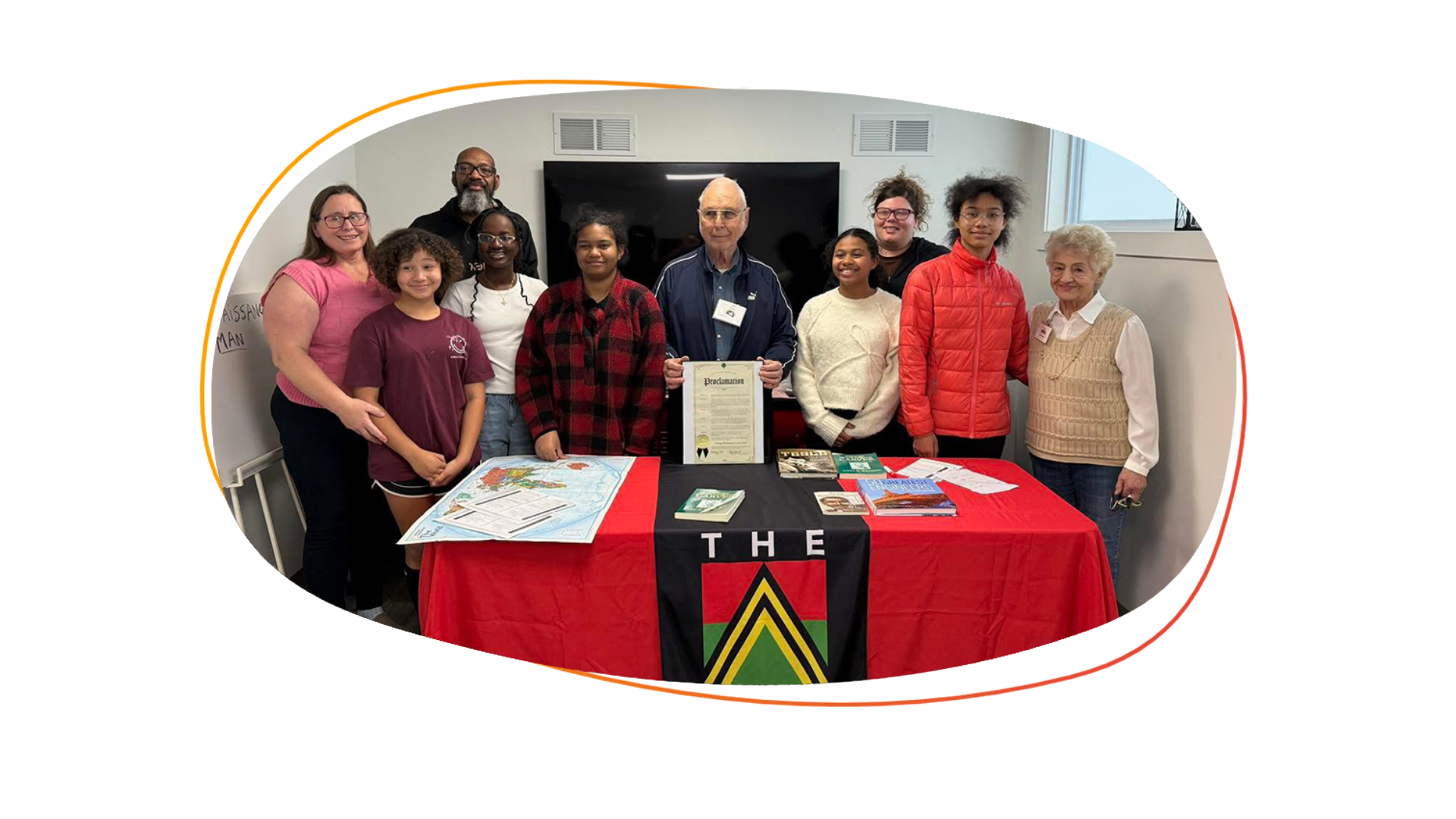
In the fall of 2025, the Academy for Scholastic and Personal Success of Cedar Rapids joined a reDirect SEE Learning Cohort at a critical inflection point in the life of the organization.
The Academy’s mission centers on fostering pride in African American culture in K-12 students in order to build self-confidence, promote positive behaviors, and encourage academic achievement. Since their founding in 1989 by Dr. Ruth White, they have mentored over 2,500 students and been a trusted community partner. Then in 2025, they lost key federal funding when they were labeled a DEI initiative. More significantly, the local school system was directed to cut ties with them, disrupting a decades-long partnership.
In addition to these external challenges, the Academy was also preparing for a major leadership transition as they sought a successor to their Executive Director and founder, Dr. Ruth White.
Struggle & Growth At the Edge of What You Know
Joining a cohort at this critical point, the team had a bold experiment in mind: planning out the first 90 days for a new Executive Director they planned to hire. The idea felt small compared to the work they had ahead—but they eventually found it to be too big for both the scope of the cohort and their team’s capacity. (Their team consisted entirely of volunteer board members—a first for reDirect!) As they learned the SEE framework and how to apply it, they asked themselves: “What type of change is too small? What’s too big?” These questions led them to repeatedly adjust the scope of their small experiment again and again.
At times, it may have felt like they were spinning their wheels, which can be frustrating, and even feel like wasted time in the moment. But this experience is normal. While each organization struggles with different challenges, learning something new often comes with growing pains. And yet, the most powerful growth tends to happen right at the edge of what we know.
Above all, reDirect hopes that cohort participants experience a shift in thinking, and walk away with a new tool—a practical understanding of how to use the SEE framework to shape their environments.
Running a small experiment with the cohort is a great way to practice using SEE. But completing a “successful” experiment isn’t the main goal of the cohort. The real goal is building a new way of approaching problems—a mental model participants can continue using long after it ends.
Making a SEE-Informed Plan
The team’s reflecting, planning, and pivoting was time well spent, because they learned to recognize and articulate the role that different environments played in their challenge. And through this collaborative process, they realized they needed to shift their focus. Before planning for a future leader, they needed to:
Capture the institutional knowledge held by Dr. Ruth and her experience, and
Address funding loss by strengthening fundraising through digital marketing and donor communications.
They began by meeting with the Academy’s fundraising committee and reviewing donor data from the previous five years. These steps helped them see that they needed to create policies and user-friendly templates to make the work more sustainable in the long-term. Building out this structure would also ease the onboarding process for the new Executive Director.
The Influence of Environments
Using the SEE framework, the team identified how different environments were contributing to their challenge and where small adjustments could make a difference.
Process Environment: Moving from Reactive to Proactive
New workflows helped standardize how fundraising communications are planned, drafted, and reviewed. By documenting these processes, the team reduced reliance on any one individual and made the communications more consistent, predictable, and efficient.
Policy Environment: Building Governance, Clarity, and Accountability
The team created clear, simple-to-follow policies around data privacy and donor communication. These policies helped ensure compliance with digital fundraising regulations.
Digital Environment: Building Infrastructure and Confidence
Previously, digital fundraising efforts were ad-hoc and inconsistent in both messaging and appearance. The SEE Framework helped them begin building their digital infrastructure: refining how they use their email platform, donor database, online payments tools, and analytics.
Written Environment: Strengthening Communication
They created templates for donor emails to ensure consistent, mission-aligned messaging. The Academy recognized that “as an organization that serves primarily Black and Biracial students, our communications must be culturally grounded, affirming, and authentic.” These guidelines helped improve clarity, maintain a strong organizational voice, and better connect with donors through storytelling.
The Small Experiment
Working alongside the Academy SPS fundraising committee, and focusing on the four environments above, the team created two digital marketing templates to test how the content and design impacted donor engagement. They compared open rates, click rates, and click maps between the two campaigns to see, for example, if locating buttons and hyperlinks in different spots led to more engagement. They also created donor segments (new donors and contribution-level based) to tailor their messaging and strategy to different groups.
One important discovery they made was that their audience was very interested in fiscal updates, something they had never provided before. They also learned that, “Social norms around giving have shifted, especially post-COVID; donors and supporters expect consistent storytelling with impact statements from both students and supporters, transparent data (especially fiscal updates), and data informed impact (student graduation rates, student performance, and community service).”
Through their experiment they increased their message open rates and donation button click rates, and they used the data to create:
a digital fundraising policies and procedures template
an email newsletter template, and
a best practices guide for fundraising communications
The team offered this encouragement to other organizations going through similar challenges:
“By starting small, evaluating what resonates with donors, and grounding communications in data and mission-aligned practices, any nonprofit can build a scalable, repeatable digital fundraising system.”
The key is deciding what’s essential, and starting there. Start small, and don’t be afraid to make adjustments as you learn more.